English Translation

Brújula (Compass) Sept 4, 1980
Flowers of El Ávila
CARACAS, September 1980. — Anita Arriers de Medina, great-granddaughter of General Rafael Urdaneta, returns from the United States and sees El Ávila “all dressed in green.” The city seems more beautiful to her than what she had been told. This is because in the area where she lived, there are no mountains like ours. One could say it remains the forest treasure and the lungs of the city. Humboldt and Pittier saw it with their own eyes in the past; today it is seen by José Rafael García, its tireless guardian, and the park rangers who await the rains every year like a blessing. Nevertheless, eight days ago, a fire broke out. It must have been intentional, for it has rained heavily over the valley and the ground is wet.
(Image: Adolfo Ernst)
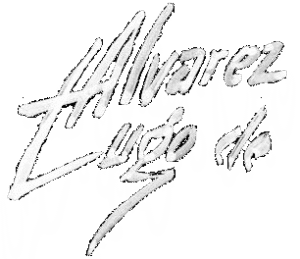
Some years ago, the Banco de Venezuela promoted the annual “Adolfo Ernst” contest, creating environmental conservation awards. It served as an incentive for hundreds of young people to strive within their own neighborhoods to keep alive and well-tended the small trees that would later provide desired shade. Ernst was a scholar of our flora and a lover of El Ávila, much like Moller or Pedro Angel González. The latter has seen and loved the mountain through the eyes of a painter, as do Alvarez de Lugo or Cabré. We recall the determination of Dr. Alejandro Pietri, a well-known jurist and classmate of our editor Dr. Luis Teófilo Núñez, when he insisted on the need to clean the tiña (parasitic moss) from the bucares, apamates, and ceibas of the city. Ricardo Zuloaga’s Electricidad [utility company] heard his observations and supported the work of parks and gardens by creating a specialized brigade to clear tree branches of the parasites that hindered the reappearance of new shoots each spring. This private sector initiative was later joined by Banco de Venezuela. Acosta Sanabria planted laurels on the Main Avenue of La Castellana, and finally, after many struggles, the saplings are growing. Now Dantje, who heads the same department, follows in the footsteps of his predecessor. Yesterday, he reminded us that the winning community of last year’s contest was Alto Prado. The Bank planted two kilometers of ornamental plants on the neighborhood’s main avenue: guarupas, cola de pescado, apamates, mountain roses, and trinitarias. It is a simple way to contribute to the reforestation of the city and, at the same time, to educate. We need to teach how to love nature and protect the trees. In most of the Inavi [housing institute] photos announcing the inauguration of social housing, the presence of the benevolent hand that plants trees is missing—the hand that creates incentives so those who move into the homes become guardians of the green zones… [text cut off] preservation of recreational areas.
oOoOo
It is told of Ernst that he once sent a wedding gift to some friends: a bouquet he arranged himself with species found in the heart of the mountain. The interior of El Ávila is little known. Flowers of immeasurable beauty are found there. Gathered in a way unusual for florist shops, Ernst sent them. Initially, they caused great admiration among the wedding guests, but once a certain lady inquired with Ernst about the origin of the bouquet, she asked the wise naturalist: — But is it true what you say? Are they flowers from El Ávila? — Oh! How awful! — she exclaimed, turning to her friend who was witnessing the dialogue: — Why, that’s just brush, girl, pure wild brush…
We Venezuelans often disparage our own values. To many, it still seems in poor taste to serve a torta de jojoto (corn cake) for dessert. Among the nouveau riche, some consider it vulgar to offer an exquisite portion of rice pudding dusted with cinnamon. However, it is the most pleasant and traditional dish, and at the same time, the cheapest. One can hardly find chivato anymore, the raw material of which is the pumpkin that grows in the fields like purslane.
Guillermo José Schael.
Transcripción en Español
Brújula 4-9-80
Flores del Ávila
CARACAS, setiembre de 1980. — Anita Arriers de Medina, biznieta del general Rafael Urdaneta, regresa de Estados Unidos y ve El Ávila “todo vestido de verde”. La ciudad le parece más bonita de lo que le han dicho. Es porque en la zona en la cual habitaba no hay montañas como la nuestra. Diríase que sigue siendo el tesoro forestal y los pulmones de la ciudad. Con sus mismos ojos lo vieron Humboldt y Pittier en el pasado, lo ven hoy José Rafael García, su incansable celador, y los guardabosques que esperan cada año las lluvias como una bendición. No obstante, hace ocho días se produjo un incendio. Debieron ser manos intencionadas, porque ha llovido mucho sobre el valle y la tierra está mojada.
(Imagen: Adolfo Ernst)
Hace algunos años el Banco de Venezuela promovió el concurso anual “Adolfo Ernst” creando premios de conservacionismo ambiental. Fue como un estímulo para que cientos de jóvenes se esmerasen en la esfera de su residencia a mantener vivos y bien cuidados los arbolitos que más tarde darán la sombra deseada. Ernst fue un estudioso de nuestra flora y un enamorado del Ávila como Moller o Pedro Angel González. Este último ha visto y querido la montaña con los ojos de pintor, como la ve también Alvarez de Lugo o Cabré. Recordamos el empeño del Dr. Alejandro Pietri, conocido jurista compañero de promoción de nuestro editor el Dr. Luis Teófilo Núñez, cuando insistía en la necesidad de limpiar de tiña a los bucares, apamates y ceibas de la ciudad. La Electricidad de Ricardo Zuloaga oyó sus observaciones y dio apoyo a la labor de parques y jardines creando una brigada especializada en limpiar el ramaje de los árboles de la ciudad de los parásitos que impedían en cada primavera la reaparición de sus retoños. A esta iniciativa del sector privado se unió más tarde la del Banco de Venezuela. Acosta Sanabria sembró laureles en la avenida Principal de La Castellana y por fin después de muchas luchas los arbolitos van creciendo. Ahora Dantje, quien se halla al frente del mismo departamento, prosigue los pasos de su antecesor. Ayer nos recordaba que la comunidad ganadora del certamen el año pasado fue la de Alto Prado. El Banco sembró dos kilómetros de plantas ornamentales en la avenida principal de la urbanización: guarupas, cola de pescado, apamates, rosas de montaña y trinitarias. Es una forma sencilla de contribuir al repoblamiento de árboles de la ciudad y al mismo tiempo de educar. Necesitamos enseñar a querer la naturaleza, a proteger los árboles. En la mayoría de las fotos del Inavi, anunciando la inauguración de viviendas de interés social, no se nota la presencia de la mano bienhechora que planta arbolitos y crea estímulos para que aquellos que vayan a ocupar las viviendas, se conviertan en celadores de las zonas verdes… [texto cortado] preservar de áreas recreativas.
oOoOo
Se cuenta de Ernst que cierta vez envió como regalo de bodas a unos amigos suyos un ramillete confeccionado por él mismo con las especies que se dan en el corazón de la montaña. El Ávila por dentro es poco conocido. Se encuentran flores de imponderable belleza. Reunidas en forma no acostumbrada por las floristerías (o florerías como suelen decir los lexicógrafos), Ernst las envió. En principio causaron gran admiración entre los asistentes al matrimonio, pero una vez que cierta señora inquirió con Ernst la procedencia de aquel ramo, preguntó al sabio naturalista: — ¿Pero es verdad lo que Ud. dice? ¿Son flores del Ávila? — ¡Ay! ¡Qué horror! — Exclamó, dirigiéndose a su amiga que presenciaba el diálogo: — Si eso es monte, chica, puro monte…
Los venezolanos menospreciamos muchas veces nuestros valores. A muchos aún les parece de mal gusto servir de postre una torta de jojoto. Hay entre el nuevo-riquismo quienes consideran una vulgaridad ofrecer de postre una exquisita ración de arroz con leche tamizada con polvo de canela. Sin embargo, es lo más grato y tradicional y al mismo tiempo lo más barato. Ya casi no se consigue el chivato, cuya materia prima es la ahuyama que crece en los campos como la verdolaga.
Guillermo José Schael.